

Why Achieving More Won't Fill the Void (And What Actually Will)
The Love-Centered Path from External Success to Internal Fulfillment
By Sharon Saevitzon, Love-Centered Transformation Coach | Helping accomplished women transform the "should be doing more" cycle into authentic self-love that changes everything
You've checked all the boxes. Built a career, earned the recognition, and achieved what others only dream of. Yet here you are, successful by every external measure, still carrying that familiar whisper: "I should be doing more."
If this resonates, you're experiencing the "achievement paradox”, the mysterious disconnect between external accomplishment and internal fulfillment that affects many high-achieving women worldwide.
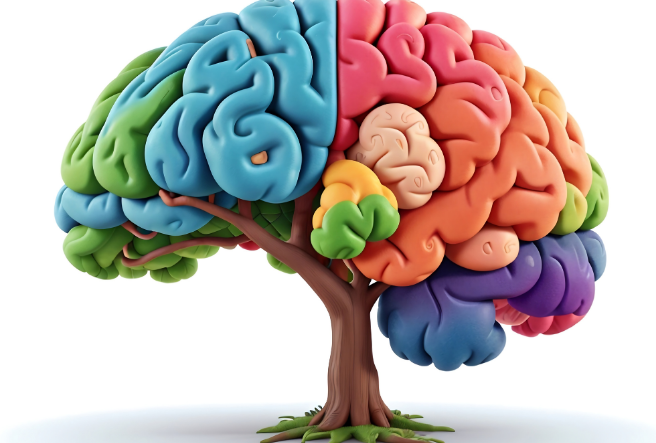
The Science Behind the Achievement Void
Recent neuroscience research reveals why achievement alone cannot create lasting fulfillment. Philip Brickman and Donald T. Campbell coined the phrase "the hedonic treadmill," where each achievement triggers a brief dopamine release, followed by an inevitable return to baseline, often accompanied by an increased need for the next accomplishment.
When External Success Masks Internal Struggle
In my practice, I meet remarkable women who have built six-figure businesses, earned advanced degrees, raised families, and contributed significantly to their communities. Yet they confide the same secret struggle:
"Nothing I achieve feels like enough." "I'm successful but somehow still empty."
This experience aligns with what Dr. Kristin Neff's self-compassion research reveals: high achievers often develop what she terms "contingent self-worth", their value becomes tied to performance rather than inherent worthiness³. The ancient Kabbalistic teaching speaks to this same truth: when we seek completion outside ourselves, we remain forever incomplete.

The Ancient Wisdom That Modern Psychology Confirms
Indigenous wisdom traditions have long understood what Western psychology is now proving: sustainable fulfillment comes from within. The Sanskrit concept of santosha (contentment) teaches that peace arises not from acquiring more, but from appreciating what is already present⁴.
This aligns beautifully with Dr. David Hawkins' consciousness research, which demonstrates that levels of consciousness based in love (calibrating at 500 and above on his scale) create exponentially more life satisfaction than achievement-based levels (typically calibrating at 175-250)⁵.
When I work with clients using both ancient practices and modern consciousness tools, transformation accelerates because we're working with the whole person, not just their achieving mind, but their loving heart

The Love-Centered Alternative: Three Evidence-Based Shifts
1. From External Validation to Internal Appreciation
The Practice: Daily appreciation meditation combining Western mindfulness with the ancient practice of metta (loving-kindness).
Research by Dr. Robert Emmons shows that gratitude practices rewire the brain for greater life satisfaction⁶. But I've found that when we add the heart-centered element of self-appreciation – acknowledging not just what we've done but who we're becoming – the transformation deepens.
Heart-Centered Application: Each morning, place your hand on your heart and acknowledge three things: something you appreciate about your character, something you're grateful for in your life, and something you're excited to offer the world today.
2. From Doing to Being
The Science: Dr. Jon Kabat-Zinn's mindfulness research demonstrates that practices focused on mindful breathing and body scans activate the parasympathetic nervous system, reducing cortisol and increasing overall well-being⁷.
The Ancient Wisdom: Ancient teachings recognize that our true nature isn't defined by our activities but by our inherent essence of awareness and love.
Heart-Centered Application: Create daily "being breaks", five-minute periods where you simply sit with your hand on your heart, breathing naturally, and asking: "Who am I beneath all my doing?" Notice what arises without judgment.
3. From Individual Success to Connected Service
The Research: Harvard's Grant Study, shows that relationship quality, not achievement, predicts life satisfaction⁸. Additionally, research reveals that acts of kindness release oxytocin⁹.
The Indigenous Understanding: Many Native American traditions teach that true success is measured by how much you give away, not how much you accumulate. This "potlatch" principle recognizes that abundance flows through sharing, not hoarding.
Heart-Centered Application: Identify one way weekly to share your gifts that has nothing to do with your resume or income. This might be listening deeply to a friend, mentoring someone in your field, or simply offering genuine appreciation to service workers.

Creating Your Love-Centered Transformation
The path from achievement-focused living to love-centered fulfillment isn't about abandoning your ambitions; it's about sourcing them from a different place. When we operate from love rather than lack, our achievements become expressions of our authentic selves rather than attempts to prove our worth.
The Integration Practice: The Three R's
Drawing from both modern psychology and ancient wisdom, I guide clients through what I call the "Three R's":
Recognize: Notice when you're in achievement mode versus love mode. Achievement mode feels urgent, never enough, and externally focused. Love mode feels spacious, appreciative, and heart-connected.
Receive: Open to love-based support through practices like meditation, energy work, or simply receiving appreciation from others without deflecting.
Radiate: Allow your natural love and wisdom to flow outward through your work, relationships, and daily interactions.
The Ripple Effect of Love-Centered Living
When accomplished women shift from achievement-driven to love-centered living, the transformation extends far beyond their personal experience. Their relationships deepen, their work becomes more impactful, and they naturally become safe spaces for others to transform.
I've witnessed CEOs become more collaborative leaders, mothers develop deeper connections with their children, and entrepreneurs build businesses that serve rather than just succeed. This isn't a coincidence; it's the natural result of operating from our highest level of consciousness.

Your Invitation to Transformation
If you recognize yourself in these words, know that your yearning for something deeper isn't a sign that you're ungrateful or flawed. It's your soul calling you toward your next evolution, from external achievement to internal alignment, from individual success to connected service, from doing more to being more.
The void you feel isn't emptiness to be filled with more achievements. It's space waiting to be filled with love, starting with love for yourself.
Ready to explore your own love-centered transformation? Take my complimentary Self-Love Assessment to discover where you are on your journey from achievement to authentic fulfillment. Because when love changes your relationship with yourself, it truly changes everything.
Sharon Saevitzon is a Love-Centered Transformation Coach who helps accomplished women move from "should be doing more" to authentic self-love that transforms all their relationships. Drawing from a multi-generational lineage of spiritual wisdom and modern consciousness, Sharon has built a six-figure practice entirely through referrals, working with individuals and entire families seeking heart-centered transformation. Learn more at sharonsaevitzon.com
References
Schneider, B. (2007). Energy Leadership: Transforming Your Workplace and Your Life from the Core. John Wiley & Sons.
Neff, K. (2011). Self-Compassion: The Proven Power of Being Kind to Yourself. William Morrow.
Swami Satchidananda. (1978). The Yoga Sutras of Patanjali. Integral Yoga Publications.
Hawkins, D. (2002). Power vs. Force: The Hidden Determinants of Human Behavior. Hay House.
Emmons, R. (2007). Thanks! How the New Science of Gratitude Can Make You Happier. Houghton Mifflin.
Kabat-Zinn, J. (2013). Full Catastrophe Living: Using the Wisdom of Your Body and Mind to Face Stress. Bantam.
Vaillant, G. (2012). Triumphs of Experience: The Men of the Harvard Grant Study. Little, Brown and Company.
Zak, P. (2012). The Moral Molecule: How Trust Works. Dutton.


